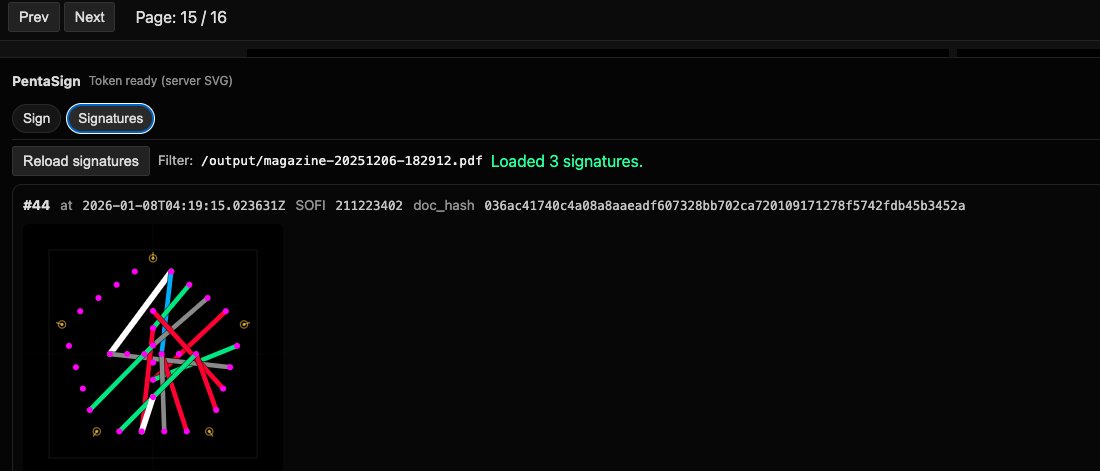
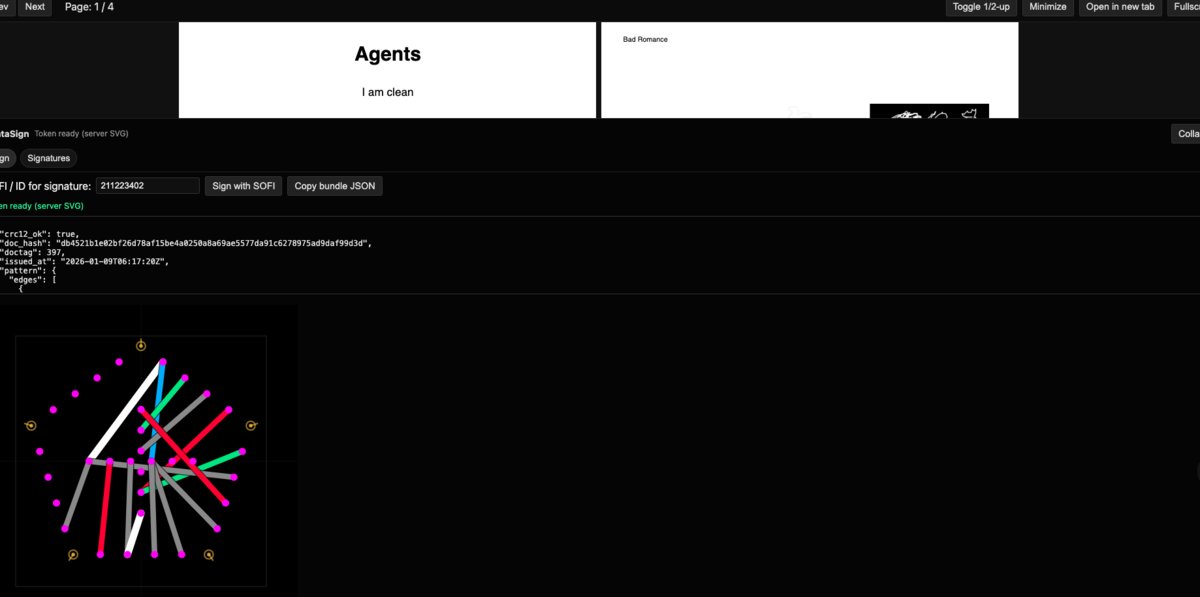
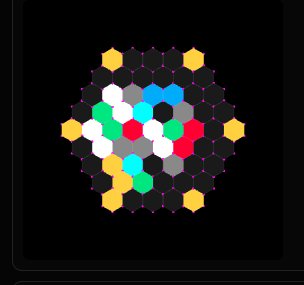
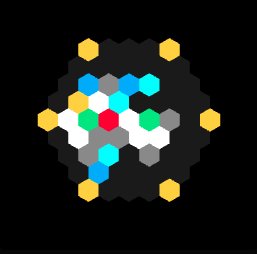
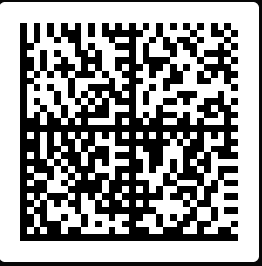
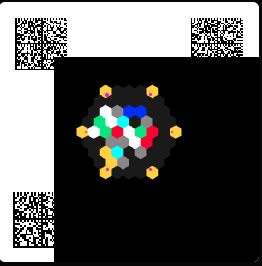
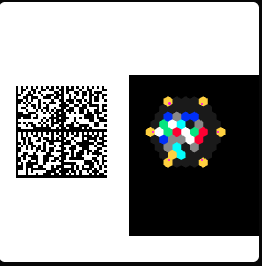
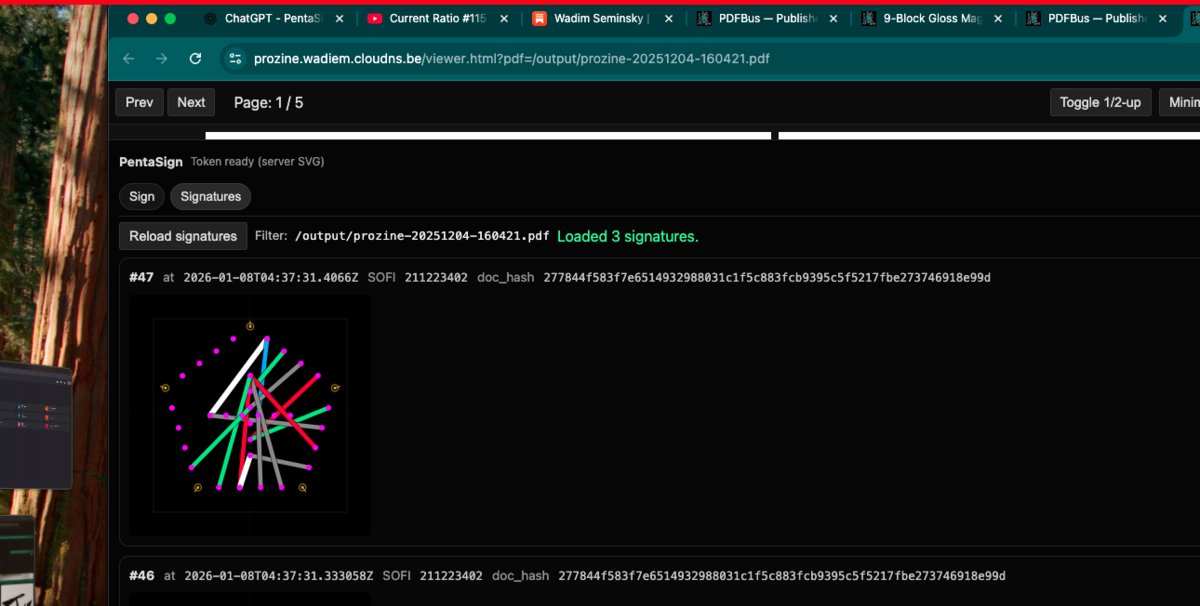
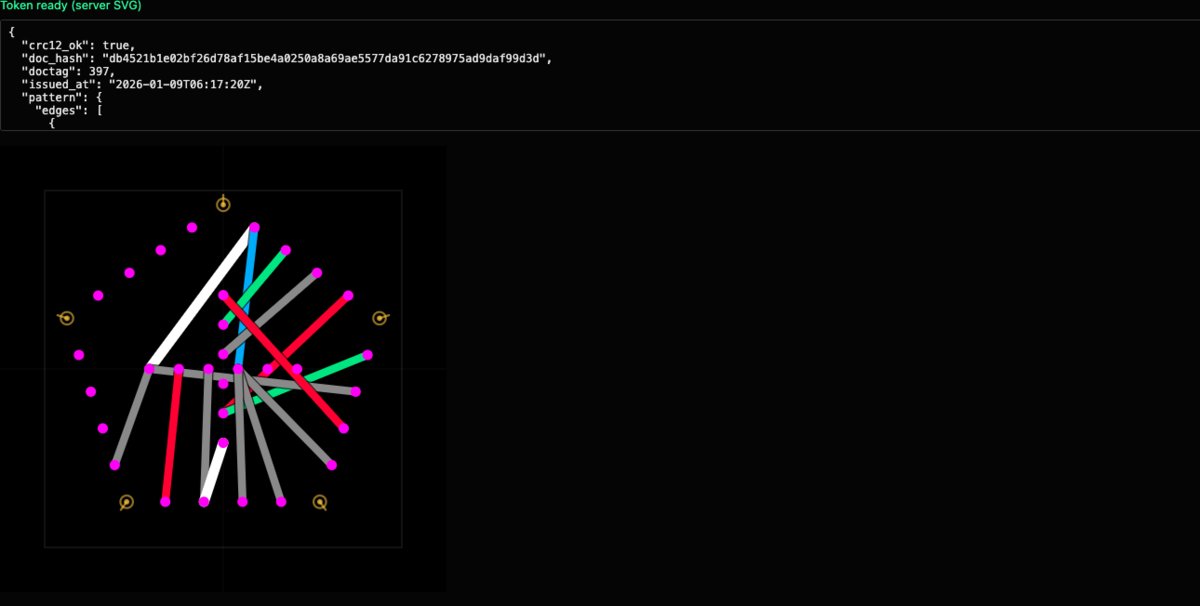
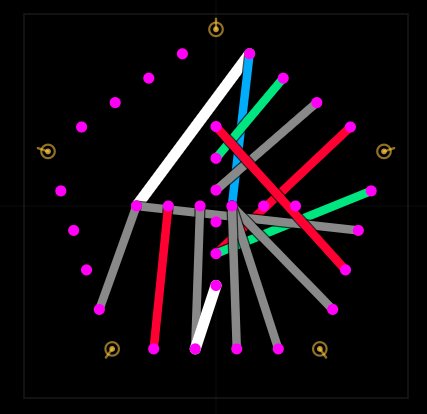
03-Sign explores an alternative to the QR code — a visual encoding system built from pure geometry rather than the binary pixel grids we inherited from industrial logistics.
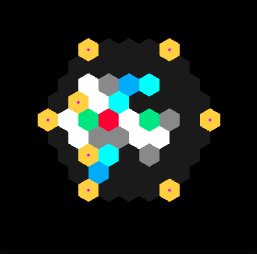
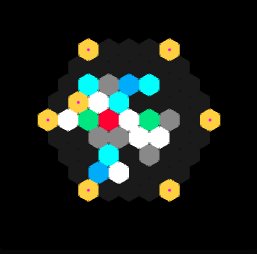
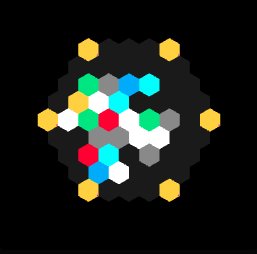
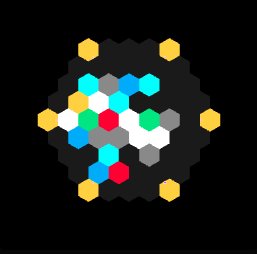
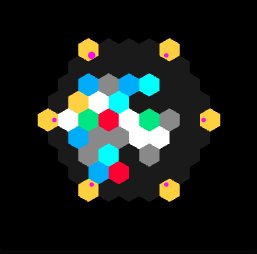
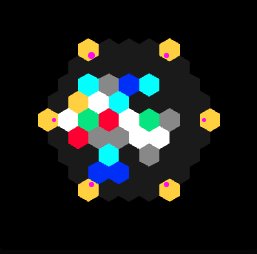
Three structural approaches are prototyped: pentagonal tiling (where error correction emerges from rotational symmetry), nodal networks (a graph-based encoding in which information lives in the topology of connections), and hexagonal honeycomb (maximum area efficiency, inspired by crystalline packing). Each offers different trade-offs between data density, aesthetic legibility, and robustness against partial occlusion.
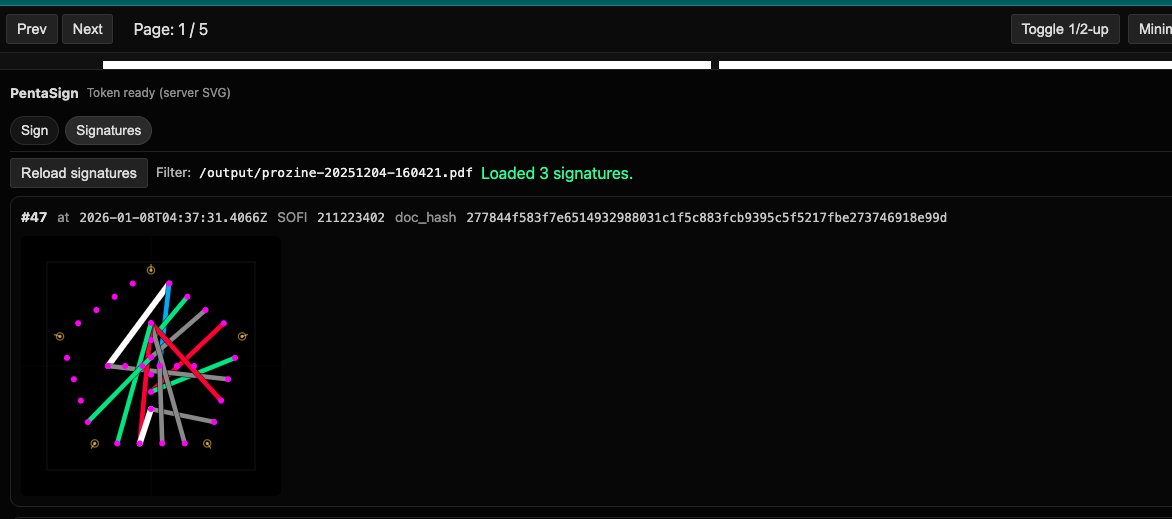
Scanning these signs requires custom decoding algorithms — there is no phone app yet. The project sits at the intersection of information design and mathematics, asking whether a visual code can be both functionally dense and beautiful enough to print on paper, embed in a façade, or stamp in clay.
The live demo lets you generate signs and explore the geometric properties of each variant interactively.